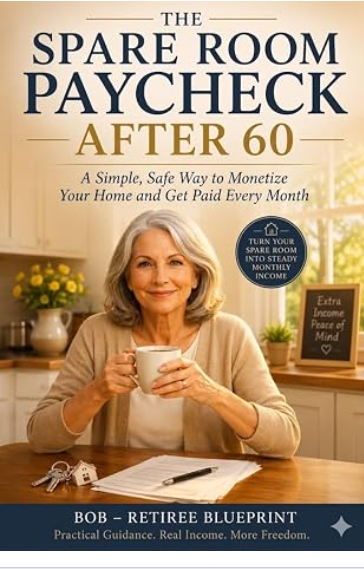
If you own a home in Florida and you've wondered whether a spare room could help with the bills, you're not alone. Plenty of Florida homeowners over 60 live in a house with more bedrooms than they use.
Florida has good free help for older homeowners. It also has a few rules that can cost you real money if you don't know about them. The biggest one is your homestead exemption. Here's what to know, and who to call.
Start with the Elder Helpline — it's free
Florida has 11 Area Agencies on Aging. Each one serves a group of counties. The easiest way to reach yours is the statewide Elder Helpline. The call is free, and nobody is selling anything.
The number is 1-800-963-5337 (1-800-96-ELDER).
They help with much more than nursing homes. Ask about help with home repairs, caregiver support, benefits, and legal help.
The same number also reaches SHINE, Florida's free Medicare counseling program. Trained volunteers help you compare plans and sort out questions. They don't work for any insurance company. Extra income can affect some health benefits, such as Medicaid or help paying Medicare costs. SHINE can tell you whether that applies to you.
Free legal help for Floridians over 60
The Florida Senior Legal Helpline gives free legal advice to Florida residents 60 and older. It covers everyday civil problems, including housing questions. It's paid for by the state Department of Elder Affairs.
Call (888) 895-7873, Monday through Friday, 9 a.m. to 4:30 p.m. There are income limits, so ask when you call. If you're about to sign an agreement with someone who will live in your home, this is a smart call to make first.
Where to look up the rules
Nothing on this page replaces the official source or someone qualified. These are the places to check:
- Your HOA or condo rules. Read these before anything else. Many Florida communities limit renting. Florida law gives you some protection: a new rental ban usually applies only to owners who agree to it, or who buy later. But an HOA can still ban rentals shorter than six months, or more than three times a year, for everyone. Rules already in your documents still count. If they don't say clearly whether renting one room is allowed, ask the association in writing.
- The tax on short stays. If a guest stays six months or less, Florida taxes the rent. That's 6% state sales tax, plus any county sales tax, plus your county's tourist tax. You have to register with the state first. A written lease for longer than six months is exempt. Some booking websites collect part of these taxes for you, so check what yours covers. The Florida Department of Revenue explains it under rel="noopener">Florida Department of Revenue guide explains it.ldquo;Transient Rental Taxes.rel="noopener">Florida Department of Revenue guide explains it.rdquo;
- Your city or county. Zoning, how many people may live in a home, and many short-term rental rules are set locally. Call your county planning and zoning office.
- Income tax. Florida has no state income tax. But rent you collect is generally reportable on your federal return. Our guide to spare room rental tax covers the basics. A tax preparer who knows rental income is worth an hour before your first year, not after.
One Florida thing worth asking about: your homestead exemption
Your homestead exemption lowers the taxable value of the home you live in. It also comes with Save Our Homes, which limits how fast your assessed value can go up each year.
Here's what many people don't know. In 2023, the Florida Supreme Court ruled that if you rent out part of your home, the rented part does not get the homestead exemption. That can mean a higher property tax bill on that share of your home. Renting out the whole house can cost you the exemption on all of it.
If the county finds out later, the bill can include back taxes, interest, and penalties.
So don't guess. Call your county property appraiser before you rent and ask: “If I rent one room in my home, how does that change my homestead exemption?” You can find your county's office in the state directory.
One more thing. Florida voters will decide Amendment 3 on November 3, 2026. If it passes, the homestead exemption would grow a lot starting in 2027. That would make it worth even more to protect.
Florida isn't one market
What a room brings in varies a lot across the state. Three patterns worth knowing:
- Big metro areas like Miami, Tampa, Orlando, and Jacksonville have the most people looking for rooms, from hospital staff to students to people moving for work. They also have the most local rules and HOA communities.
- Beach and tourist towns pull many owners toward short-term guests. That's where the tourist tax, local rental rules, and HOA limits matter most. Demand often rises and falls with the season.
- Smaller towns and inland counties usually bring lower rent but less competition. Good matches often come through churches, senior centers, and word of mouth.
The useful number isn't a state average. It's what rooms like yours in your own zip code are listed for this month.
What about home-sharing programs?
Honest answer: Florida does not run a statewide program that matches homeowners with housemates. What exists is a mix of national matching websites, a few local efforts, and word of mouth. Your Area Agency on Aging can tell you if anything runs in your county.
That means the screening is up to you. So take your time with it.
If you do one thing this week
Make two calls. First, call your county property appraiser and ask how renting a room would affect your homestead exemption. Second, call the Elder Helpline at 1-800-963-5337 and ask for your local Area Agency on Aging. Write both answers down.
Neither call costs anything. Together, they give you something most people never get: a clear answer on your property taxes, and a real person nearby to ask before you sign anything.
Sources: Florida Supreme Court, Furst v. Rebholz (April 2023); Florida Statutes 196.061, 718.110(13) and 720.306(1)(h); Florida Department of Revenue, sales tax and transient rental taxes; Florida SHINE; Florida Senior Legal Helpline.
This page points to official sources; it isn't legal or tax advice, and the rules change. Last checked: October 2026.